Natural Stone vs Manufactured Stone


When planning a construction or renovation project, one of the biggest decisions you will face is choosing between natural stone and manufactured stone. Both materials have their place in the market, but they are not equal in terms of quality, longevity, or long-term value. Whether you are cladding an exterior wall, building a fireplace surround, or upgrading your landscape, understanding the real differences will help you make a smarter investment.
At Elevated Natural Stone, we work with homeowners, contractors, and distributors across Utah and surrounding states every day. This guide breaks down everything you need to know before making your choice.
What Is Natural Stone?
Natural stone is quarried directly from the earth. It includes materials like granite, limestone, sandstone, basalt, and slate, each formed over millions of years through geological processes. The result is a material with one-of-a-kind color variations, textures, and patterns that cannot be reproduced artificially.
Natural stone is available in two primary formats for construction and design use:
Thin Veneer Stone
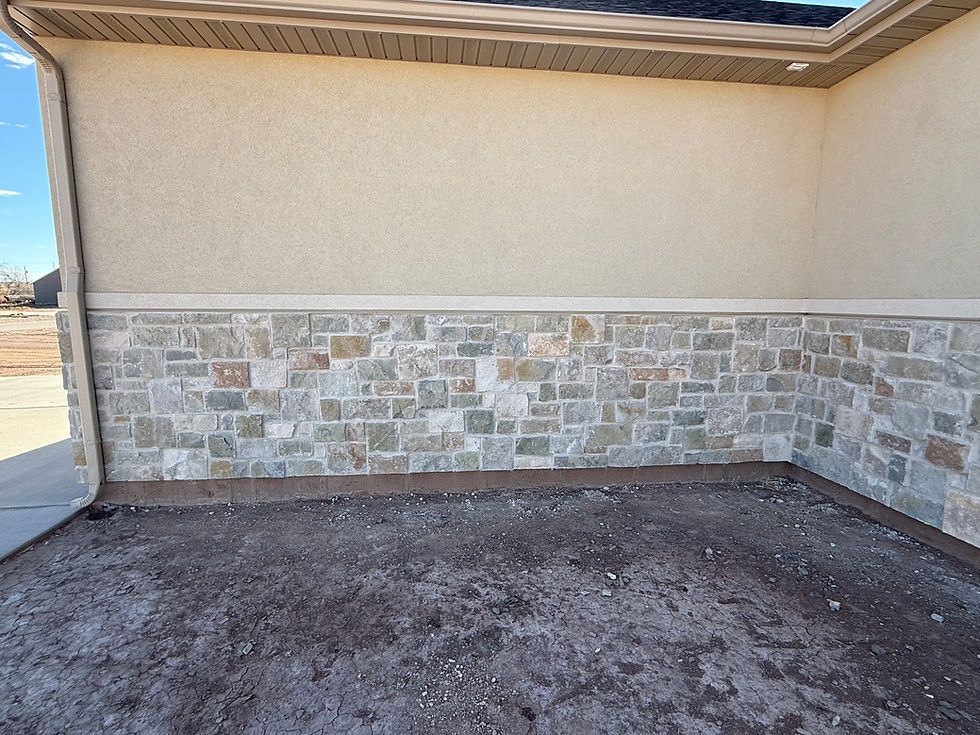
Thin veneer stone is natural stone that has been precision cut to a reduced thickness, typically between one and one and a half inches. It retains all the beauty and durability of full stone while being significantly lighter, making it easier and more cost-effective to install on walls, fireplaces, and exterior facades.
Full Bed Stone
Full bed stone refers to natural stone cut at its full depth and weight. It is used in structural and heavy-duty applications where maximum durability and visual impact are required. From retaining walls to commercial builds, full bed natural stone is the premium choice for long-lasting construction.
What Is Manufactured Stone?
Manufactured stone, also called faux stone or cultured stone, is a man made product typically composed of Portland cement, lightweight aggregates, and iron oxide pigments. It is cast in molds to replicate the appearance of real stone.
While manufactured stone can look convincing at first glance, it is fundamentally a concrete product. The production process is industrial and high volume, meaning every batch of manufactured stone follows the same mold patterns and color formulas.
Natural Stone vs Manufactured Stone: A Direct Comparison
Appearance and Authenticity
This is where natural stone wins decisively. Every piece of genuine stone carries its own unique color, texture, and grain pattern. No two cuts are identical, which means your project will have a character that simply cannot be replicated.
Manufactured stone mimics these qualities through molds and dyes, but experienced eyes can spot the repetition in patterns. Over time, the pigments in manufactured stone can fade, particularly in harsh climates like those found across Utah and the Intermountain West.
Durability and Longevity
Natural stone has been used in construction for thousands of years. Structures built with real stone still stand today as proof of their unmatched durability. When properly installed, natural stone veneer or full bed stone requires minimal maintenance and does not deteriorate under UV exposure, freeze-thaw cycles, or moisture.
Manufactured stone is more vulnerable. The cement-based composition can absorb moisture over time, leading to cracking, spalling, and surface deterioration, especially in climates with significant temperature swings. Utah winters in the Uinta Basin and surrounding regions are a perfect example of condconditions that test manufactured stone hard.
Installation and Weight
This is one area where manufactured stone has an advantage. Because it is cast in lightweight molds, it is generally easier to handle and install. However, thin veneer natural stone from Elevated Natural Stone largely closes this gap. Our precision-cut thin veneer stone is lightweight enough for most standard wall installations without structural modification, while still delivering the authenticity and longevity of real stone.
Cost Comparison
Manufactured stone typically has a lower upfront material cost. However, this comparison changes significantly when you factor in:
Total project lifespan. Natural stone rarely needs replacement. Manufactured stone may need repairs or full replacement within 20 to 30 years.
Maintenance costs. Natural stone is low maintenance. Manufactured stone may require sealing, patching, and color touch-ups over time.
Resale value. Homes and commercial properties featuring real stone consistently appraise higher than those with faux stone alternatives.
When viewed as a long-term investment, natural stone veneer in Utah and across surrounding states delivers a significantly better return.
Environmental Considerations
Natural stone is a product of the earth, quarried and cut with minimal processing. At our facility in Vernal, Utah, we source stone locally and cut it on site, which keeps transportation emissions low and supports the regional economy.
Manufactured stone requires energy-intensive production involving cement manufacturing, one of the highest carbon emission industrial processes. For environmentally conscious builders and homeowners, real stone is the more sustainable choice.
Where Each Material Works Best
Natural stone is the better choice for:
Exterior cladding and facades in high-traffic or high-visibility areas. Fireplaces and interior feature walls where authenticity matters. Landscape stone applications are exposed to weather year-round. Long-term commercial and residential builds where value retention is a priority.
Manufactured stone can work in:
Budget-constrained interior accent walls with limited exposure to moisture or temperature extremes. Temporary installations or short-term renovation projects.
Why Utah Contractors and Homeowners Choose Natural Stone
Across the Uinta Basin, Salt Lake City, and the broader Utah region, natural stone has always been a material of choice. The local geology produces beautiful stone varieties that are both visually striking and structurally reliable. Working with a local cut stone supplier in Vernal, Utah means shorter lead times, consistent quality control, and material that is genuinely suited to the regional climate.
At Elevated Natural Stone, we supply thin veneer stone, full bed stone, and landscape stone directly to contractors, distributors, and homeowners. Our authorized dealer network spans Utah, Colorado, Wyoming, Idaho, Arizona, and Nevada. If you are looking for a reliable natural stone veneer supplier in Utah, find a dealer near you or call us directly at 435-789-7866.
Conclusion
The choice between natural stone and manufactured stone comes down to what you value most in a project. If authenticity, durability, and long term value are your priorities, natural stone wins on every count. Manufactured stone may save money upfront, but real stone pays dividends for decades in appearance, structural performance, and property value.
Whether you need thin veneer stone for a residential feature wall or full bed stone for a major commercial project, Elevated Natural Stone has the product and expertise to deliver. Based in Vernal, Utah, and serving contractors across the Uinta Basin, Salt Lake City, Colorado, Arizona, Nevada, and surrounding states, we are your trusted natural stone partner from the heart of Utah.
Frequently Asked Questions
What is the main difference between natural stone and manufactured stone?
Ans: Natural stone is quarried directly from the earth and offers unique color and texture in every piece. Manufactured stone is a concrete based product cast in molds to mimic the look of real stone. Natural stone outlasts and outperforms manufactured stone in durability, appearance, and long term value.
Is thin veneer stone the same as manufactured stone?
Ans: No. Thin veneer stone is real natural stone that has been precision cut to a reduced thickness for easier installation. It retains all the properties of genuine stone. Manufactured stone is an entirely different, concrete-based material.
Does natural stone cost more than manufactured stone?
Ans: Natural stone typically has a higher upfront material cost, but its longer lifespan, lower maintenance needs, and higher property value return make it the more cost-effective choice over the full life of a project.
Can natural stone be used for exterior applications in Utah?
Ans: Absolutely. Natural stone is ideal for Utah climates. It handles freeze-thaw cycles, UV exposure, and moisture far better than manufactured stone, making it the preferred choice for exterior walls, facades, and landscape applications across the Uinta Basin and Salt Lake City region.
Where can I buy natural stone veneer in Utah?
Ans: Elevated Natural Stone is a family-owned cut stone supplier based in Vernal, Utah. We supply thin veneer stone, full bed stone, and landscape stone to contractors, distributors, and homeowners across Utah, Colorado, Wyoming, Idaho, Arizona, Nevada, and surrounding states. Visit our dealers page or call 435-789-7866.


Comments